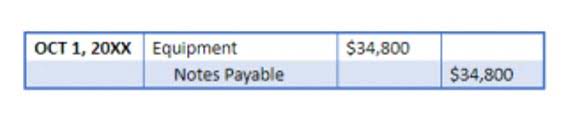
Special events are peripheral activities engaged in primarily for fundraising purposes. The important thing to track is the net income from the special events. The market value on the day of the donation should be recorded in this account. By implementing changes when needed, nonprofits can mitigate risks and improve their operational efficiency. A proactive mindset towards internal control procedures can also help the organization stay compliant with regulatory requirements, enhance transparency, and instill trust among stakeholders. In summary, nonprofits must stay vigilant and review their procedures as often as necessary to ensure a robust and reliable framework that can withstand internal and external threats.
The Taxpayer Advocate Service (TAS) Is Here To Help You
Many suggestions are circulating the internet about what is best to do with donated stock. It is essential to understand that Income Tax Regulation 1.512(b)-1(a)-(d) states that dividends are generally excluded from unrelated business income. This exclusion Suspense Account applies to capital gains realized from the sale of such stock. Knowing this lets you make the best decision for your church or ministry.
When To Deduct

Nonprofits are also responsible for filing an annual Form 990, which nonprofit accounting for stock donations provides detailed information about the organization’s finances, operations, and procedures. Failing to comply with relevant regulations can result in costly fines or even loss of tax-exempt status. Nonprofits can use accounting software like QuickBooks, Xero, or specialized nonprofit accounting tools to efficiently manage and record donations.
- While tax-exempt status might be determined by the IRS and federal law, nonprofit status is determined by state law.
- By implementing a combination of these controls, non-profit organizations can cultivate a secure and transparent financial environment, reinforcing trust with donors.
- Unlike investing with a big bank or active wealth advisor, for most nonprofits, your account can be ready to go within two to three business days.
- Financial statements are among the most critical reports your nonprofit’s accountant will compile every year.
- Be sure to document everything, from original donation letters to board approvals for fund usage.
The traditional way to accept stock gifts
The disallowance rule does not apply to a qualified conservation contribution made by a family pass-through entity. A family pass-through entity is a partnership or S corporation in which 90% or more of the interests are held by an individual and members of the family of such individual. For these purposes, members of an individual’s family are the individual’s spouse and individuals described in section 152(d)(2)(A)-(G).
- Specifically, in-kind donations can no longer be recorded in the same line item as direct financial donations in the statement of activities.
- To learn more about exactly which taxes your tax-exempt nonprofit might still be on the hook for, consult IRS Publication 557, or better yet, consult with a nonprofit tax specialist.
- For large nonprofits, the Intuit Enterprise Suite solution provides additional project management and multi-entity reporting features that are particularly useful for tracking finances across locations.
- If you plan on taking a deduction for a donation worth more than $500 and less than $5,000, fill out Form 8283 and get a contemporaneous written acknowledgment.
- If you plan on taking a deduction for a donation worth more than $5,000, fill out Form 8283 and get a contemporaneous written acknowledgment.
Grants and restricted funds are contributions provided with specific conditions or limitations on their use, often requiring separate tracking and reporting. Services and volunteer time are generally not recognized as revenue unless they create or enhance non-financial assets or require specialized skills that would otherwise trial balance need to be purchased. Accurate recording and recognition are crucial for maintaining financial transparency, ensuring donor trust, and complying with legal and regulatory requirements. You can schedule LEP (Form 1040), Request for Change in Language Preference, to state a preference to receive notices, letters, or other written communications from the IRS in an alternative language. You may not immediately receive written communications in the requested language. The IRS’s commitment to LEP taxpayers is a part of a multi-year timeline that began providing translations in 2023.